Daily blogs Automation
Sub-5-Second Lead-Qualifying Chatbots
Instant inbound versus a ticket queue that quietly drains pipeline.
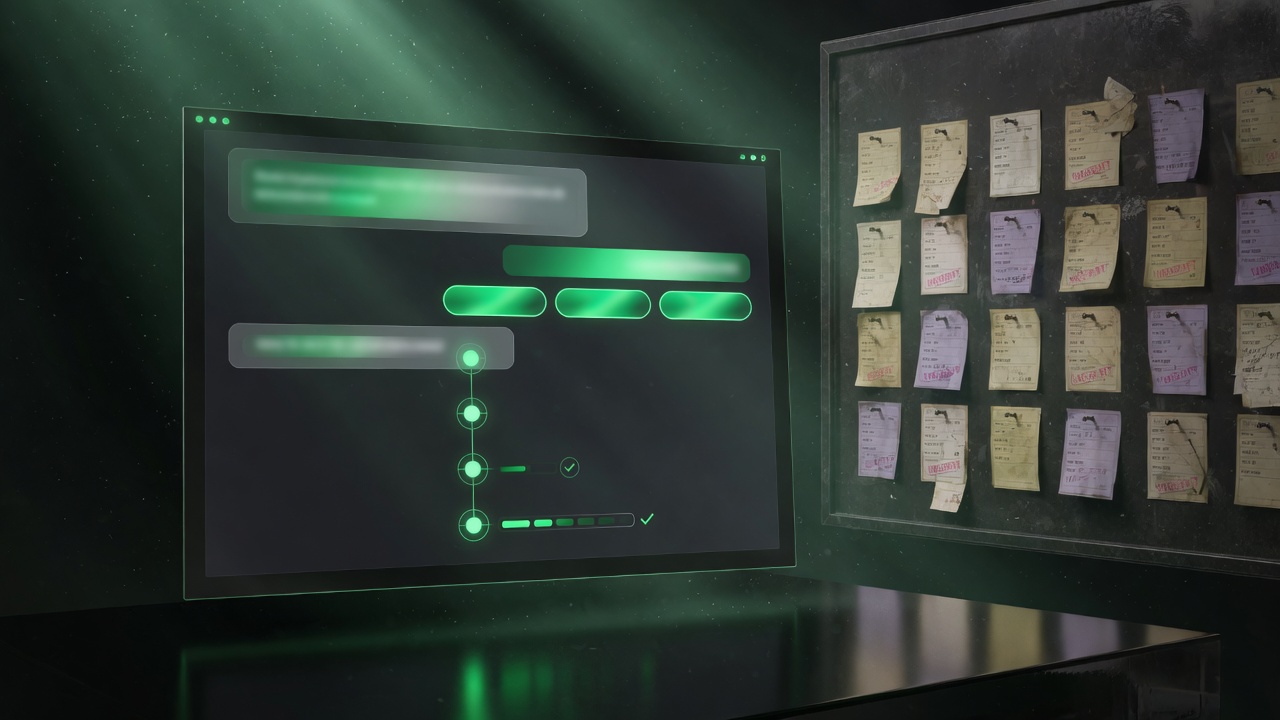
Every marketer knows the thrill of a high-value prospect landing on their website. The prospect hits “Submit Form,” expecting a prompt follow-up. Instead, their inquiry goes into a black hole: a ticketing system or a shared sales inbox, waiting for an agent to clear the queue.
By the time a representative opens the ticket, hours or even days have passed. In today’s on-demand economy, that delay is fatal to conversions. Modern buyers operate on intent that vanishes rapidly; if a company fails to capture them in the moment, a competitor will.
Deploying lead-qualifying chatbots that respond in under 5 seconds creates a stark advantage: instant, 24/7 engagement versus a slow ticket queue that quietly drains prospective revenue.
The reality of speed-to-lead
The math behind speed-to-lead is simple: fast responses win deals, while slow responses kill them.
- The 5-minute drop-off. Research consistently shows that contacting a prospect within 5 minutes makes a company 21 times more likely to qualify them compared to waiting 30 minutes.
- The first-responder advantage. Nearly 78% of customers buy from the vendor that responds first. Price and feature sets often take a back seat to momentum and immediate availability.
- The industry lag. Average B2B lead response time still hovers around 42 to 47 hours. Over half of inbound forms go unanswered or sit in queues past the point of prospect interest.
When companies rely solely on humans to process inbound forms, they build a structural delay directly into the sales funnel. Sub-5-second chatbots eliminate this bottleneck entirely.
Why ticket queues leak revenue
Traditional support and ticketing software was built to manage issues, not to capture high-intent buyer interest. Form-to-ticket workflows create several operational leaks:
- The 3 AM void. Nearly half of inbound web leads arrive during evenings and weekends. A ticketing system holds them until morning, giving buyers hours to research and commit to competitors.
- Context decay. The moment a prospect submits an inquiry, their interest and pain points are fresh. Waiting even two hours means reaching back after they have context-switched — ghosted calls and unread emails.
- Manual lead sorting friction. Reps waste time sifting spam, student inquiries, and low-quality forms before they reach high-fit prospects.
- High drop-off form friction. Long, multi-field forms scare off mobile users and busy decision-makers. Static forms demand effort upfront without offering immediate value.
A ticket queue treats inbound leads as tasks. A sub-5-second chatbot treats them as active revenue.
How sub-5-second AI chatbots fix the leak
Lead-qualifying AI chatbots change inbound from a passive “leave a message” format into a live, interactive conversation. Operating instantly, they capture revenue traditional ticketing misses:
- Sub-5-second initial contact. The bot greets visitors immediately on a form or chat widget, engaging prospects at peak intent.
- Interactive, low-friction qualification. Instead of an 8-field form, the chatbot asks targeted questions one by one — company size, budget, timeline, use case — via quick-choice buttons or natural dialogue.
- Real-time data enrichment and scoring. Advanced bots pull firmographic data from domain or IP, assign a lead score, and tag SQLs or MQLs instantly.
- Instant calendar booking. When a high-value prospect qualifies at 3 AM, the bot does not say “thanks, we’ll reach out.” It books a discovery call on the spot.
- Seamless human handoff. During business hours, the bot alerts a rep in Slack, Teams, or the CRM and hands off a fully contextualized live chat in seconds.
Modern buyer behavior demands instant entry
- Over 70% of web users prefer messaging over forms or phone calls for quick answers.
- Buyers treat slow follow-ups as a direct indicator of how a vendor operates. A 24-hour delay signals a slow, high-friction customer experience long before a contract is signed.
- Chatbots capture conversational insights static forms miss — specific pain points, competitor names, non-standard needs.
Implementing instant inbound lead qualification
- Keep qualification flows short. Limit preliminary questions to 3–5. Identify core intent and fit — do not run a full discovery meeting in the widget.
- Provide clear escalation paths. Non-qualified leads still get instant value: docs, self-serve demos, or knowledge-base guides.
- Unify bot data with the CRM. Connect workflows into HubSpot or Salesforce so contact records, notes, and owners update without manual entry.
- Monitor drop-off points. Analyze conversation logs for questions where visitors leave, then refine the flow.
Speed is pipeline
A ticketing system treats inbound prospects as tasks waiting to be processed. A sub-5-second lead-qualifying chatbot treats them as active revenue opportunities. In a market where speed wins deals, waiting hours to reply is a direct loss of pipeline.
Replacing static forms and ticket queues with instant 24/7 conversational AI turns off-hours website traffic into booked meetings and predictable pipeline.